
Know More
About Us
Our Experts.
Our team possesses scientific and pragmatic expertise with a deep understanding of local, national, and international policy. Our team is well-versed in the opportunities to address the challenges of the commercial and industrial sector, including the mining, oil, and gas industries, to conduct in-depth research and analysis that aligns with your investment goals.
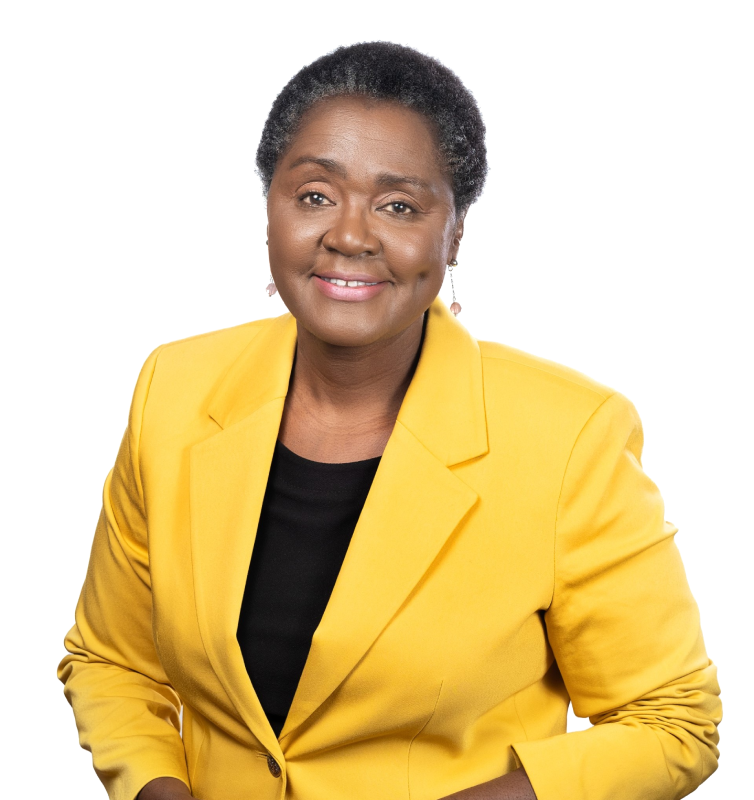
Dr. Olive Kamanyana
President
Dr Olive Kamanyana holds a Ph.D in Applied Social Sciences and a Master’s degree in Urban and Land Planning. These two areas have allowed her to evolve in active politics and to develop expertise in public policies for more than 25 years.
Dr Olive Kamanyana developed the expertise in positioning and governance of businesses at the local, national and international level. In fact, she made a career in the municipal area and in the evaluation of the policies and programs performance.
In addition, Dr. Olive Kamanyana has applied research experience in matters affecting the exploitation of natural resources, including mining, oil, gas and forestry resources.
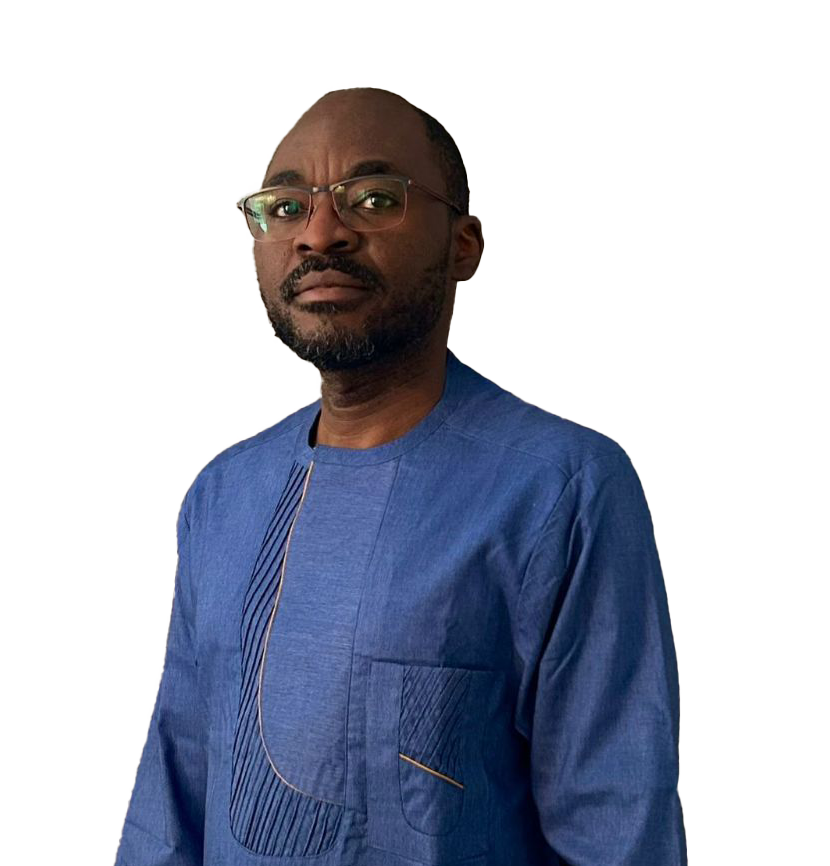
Armand Ngoumnjuen
Senior Consultant, Modern Governance
Armand Ngoumnjuen holds a Master’s degree in development studies from the Graduate Institute of International and Development Studies (IHEID) at the University of Geneva. With over 15 years of experience in diverse areas of interest, he has specialized in the management of international cooperation programs and projects, including professional training, decentralization and local governance, promoting sustainable development goals (SDGs).
Throughout his career, Armand has mainly worked within bilateral cooperation agencies, where he has managed various development projects and supported the capacity building of government institutions in social sectors. His skills cover strategic planning, monitoring and evaluation, as well as institutional development. Armand has held senior positions in several organizations, developing strong skills in team management, solving complex problem and managing multiple partnerships. He also has expertise in training engineering, particularly in adult training.
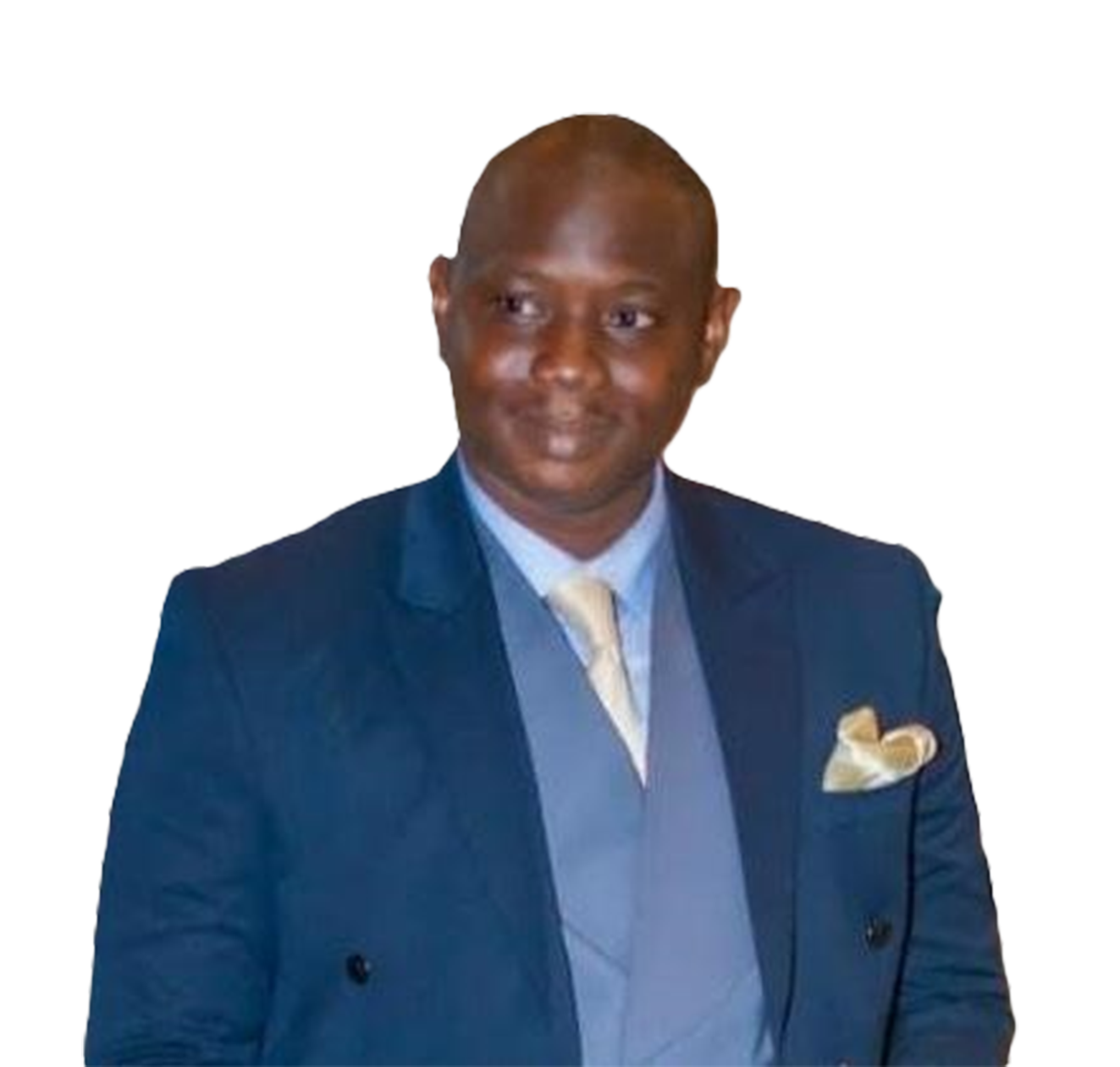
Nathanaël Eyoum Madiba
Senior Negociator with local governments
Nathanaël Eyoum Madiba has experience in administrative management and project coordination which he acquired in various sectors. He holds a Masters in Business Administration and in Finance from a leading business school and a Certificate in Financial Analysis of Industrial Projects from UNIDO (United Nations Industrial Development Organization).
Nathanaël Eyoum Madiba used his skills in varied and demanding roles. He has served as an alternate Member of Parliament, which gives him a deep understanding of legislative processes and public policy. This experience strengthens its expertise in governance and public service. In this context, Nathanaël Eyoum Madiba mainly worked within government institutions in the public sector in Africa.
During his career, Nathanaël Eyoum Madiba has developed the capacity of consulting expert in the positioning strategies of companies to enable them in organizing work and achieving priorities through optimal coordination of projects.This includes negociating and advising businesses in the trading and supply of carbon credits, carbon offsets and renewable energy for compliance and voluntary carbon markets around the world.
Strategic and Responsible Investment.
Strategic and responsible economic investment takes into account your company’s position in relation to economic, social, and political factors. In addition to traditional financial analysis when making investment decisions, it is necessary to promote good governance, financial and social outcomes, and political risk management, while improving your company’s position at the local, national, and international levels.
Your members, customers, shareholders, and partners expect you to be leaders in the economic field by improving your responsible practices and positioning.
Investment attraction can be achieved through various approaches such as targeted marketing, strategic communication, risk assessment, and corporate social responsibility (CSR).

Responsible Economic Investment
Economic Impact
Risk Management

Our Goal.
At Amani, we want to empower you to increase your wealth creation capacity through your strategic decisions, namely improving your image, asserting your positioning, attracting investment, and managing business risk.
Thanks to our range of services and solutions, our goal is to help you integrate success factors into your decisions to continuously improve your practices and performance through the image you project to your members, customers, shareholders, and partners.
Our ultimate goal is to help you create a positive impact on the economic and political world and inspire new partners to join your mission. We are convinced that by working together, we can create a prosperous, profitable, and sustainable economic future for your business.
Take a Look at
Our Approach
Amani is proactive and offers you an approach that puts the client’s interests first. To succeed in your project, you need business intelligence, from the project formulation stage to its closure.
01.
Project formulation
It is at the idea stage that the expectations of your stakeholders (clients, members, shareholders, partners) are discussed, as well as the definition of financial resources.
02.
Project feasibility
The feasibility study of a project is above all the stage of clarifying its level of profitability in terms of return on investment, economic and social impacts, while taking into account the expectations of stakeholders including host communities and the political and regulatory framework.
03.
Project planning
It is important to determine the exact time to communicate and negotiate with partners, including political partners, stakeholders and host communities. It is also proactive to develop strategies to manage the expectations of each in their positioning in relation to the project.
04.
Project finalisation
This crucial step is the concrete result of the previous steps. The implementation of the project must be done with sensitivity, and if necessary, renegotiate with partners including political stakeholders and host communities.
05.
Project evaluation
Performance measures must be evaluated periodically based on the duration and scope of the project over time. Performance indicators must be properly developed from the project formulation stage and must be measured continuously until the project closure. Project closure requiring respect for local realities, indicators must reflect these realities.